

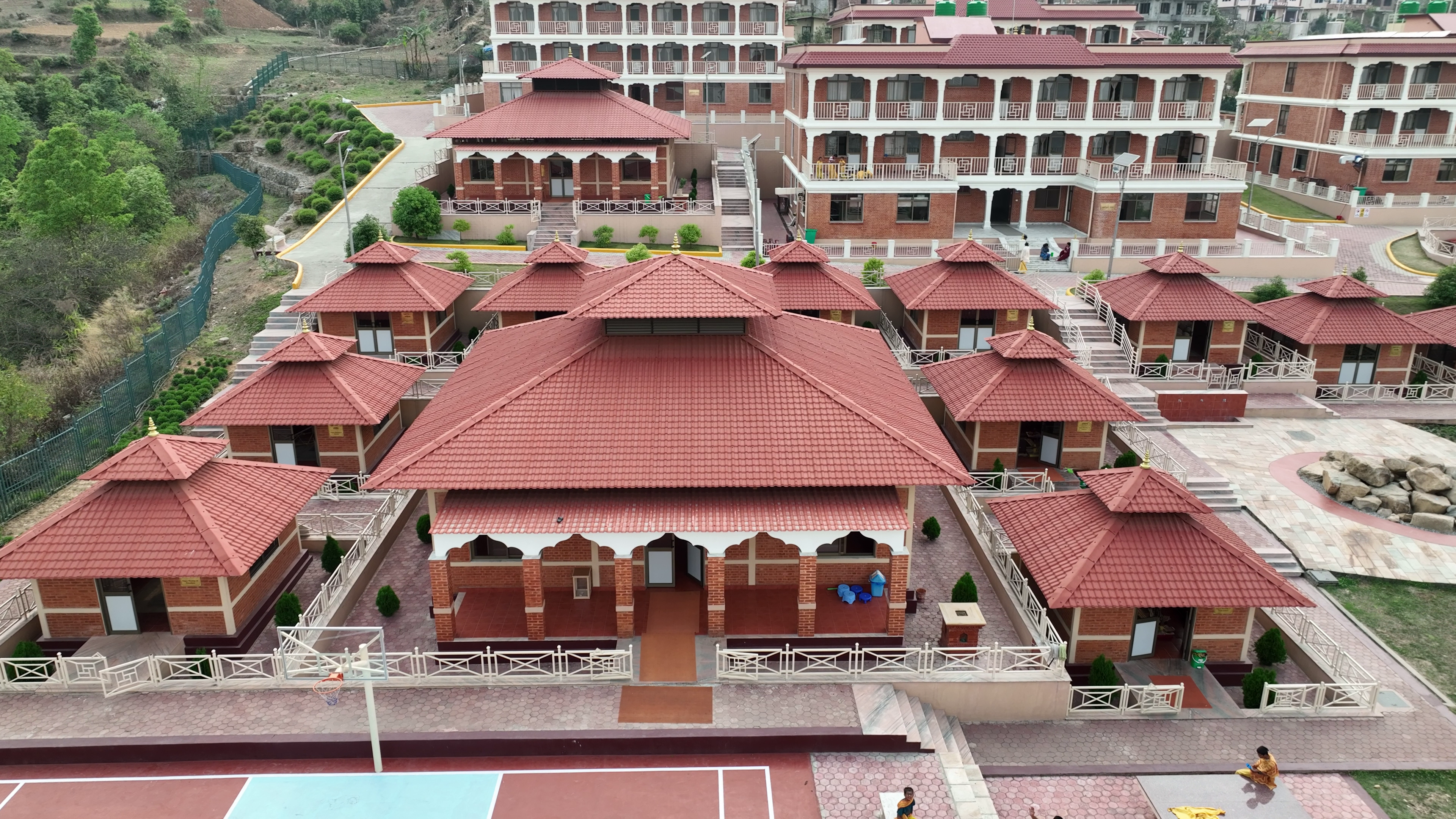
From double glass fiber reinforcement to acid resistance — everything homeowners, contractors, and engineers need to understand about UPVC roofing before making a decision.
Always verify the roof pitch is at least 10° before ordering materials. UPVC performs optimally between 15°–35° pitch angles for Nepali weather conditions.
Tools & Materials You Need
Having the right tools on-site before you begin prevents costly delays and ensures a clean, professional finish. For a standard residential installation you will need:
- Sunrise UPVC roofing sheets (Sunrise 3mm, Sunshine 2.8mm, or Sunroof 2.5mm)
- Ridge covers and accessories from the Sunrise range
- Self-drilling screws with neoprene washers (minimum 75mm length)
- Cordless drill with appropriate bit
- Tape measure, chalk line, and spirit level
- Safety harness, non-slip boots, and gloves
- Tin snips or circular saw with fine-tooth blade for cutting
Step-by-Step Installation
Follow these steps in order for a watertight, durable result every time.
-
1
Inspect and Prepare the Purlin Structure
Check that all purlins are level and structurally sound. Maximum purlin spacing for Sunrise 3mm sheets is 900mm centre-to-centre. For 2.5mm sheets, reduce spacing to 750mm.
-
2
Lay Out the First Sheet
Start from the eave (bottom edge) and work upward. Align the first sheet so the lower edge overhangs the eave by 100–150mm for proper water discharge into the gutter.
-
3
Side Lap & End Lap Overlaps
Side lap (horizontal overlap): minimum one corrugation (approx. 76mm). End lap (vertical overlap): minimum 200mm for pitches above 15°, 300mm for pitches below 15°.
-
4
Fix Sheets With Screws
Drive screws through the crown of the corrugation — never through the valley. Space fasteners at every purlin, approximately every 900mm. Do not over-tighten; the washer should compress just enough to seal without deforming.
-
5
Install Ridge Covers
Place the Sunrise ridge cover over the apex, overlapping each sheet by minimum 150mm on both sides. Seal the underside with foam closure strips to prevent wind-driven rain.
-
6
Final Inspection
Walk the roof (using a crawl board — never step directly on the sheets) and check all fasteners are tight, laps are sealed, and ridge covers are properly fixed. Remove all metal swarf and debris that could cause staining.
Key Specifications at a Glance
Understanding the technical specs helps you choose the right product variant for each project's structural and load requirements.
(Sunrise 3mm)
(3mm sheets)
(15°+ pitch)
Product Comparison
Choosing between the three Sunrise product lines depends on your project's load requirements and budget. Here's a quick comparison:
| Feature | Sunrise 3mm | Sunshine 2.8mm | Sunroof 2.5mm |
|---|---|---|---|
| Reinforcement | Double mesh | Single mesh | Single mesh |
| Strength | 35 MPa | 32 MPa | 30 MPa |
| Weight (per m²) | 5.5–6 kg | 5.3–5.5 kg | 5–5.5 kg |
| Best for | Commercial / heavy loads | Residential | Light residential |
| ISO Certified | ✓ Yes | ✓ Yes | ✓ Yes |
Common Mistakes to Avoid
Even experienced contractors make these errors. Being aware of them upfront saves both time and warranty claims:
- Fastening through the valley — this creates stress cracks over time. Always screw through the crown.
- Insufficient end lap on low-pitch roofs — on roofs below 15°, the minimum overlap should be 300mm, not 200mm.
- Skipping foam closure strips at the ridge — wind-driven rain will enter without these. Never omit them.
- Over-tightening screws — deforming the neoprene washer breaks the seal rather than improving it.
- Walking directly on sheets — always use a crawl board to distribute weight. Point loads can crack even 3mm sheets.
All Sunrise UPVC products come with installation guidelines in the product packaging. Following these guidelines is necessary to maintain your ISO-backed product warranty. For technical support, contact Sunrise on +977-9702037002.
After Installation Care
UPVC requires minimal maintenance, but a few simple practices extend its life significantly. After installation, rinse the roof surface with clean water to remove any dust or construction residue. Inspect all fastener heads after the first monsoon season to check for any that may have loosened due to thermal expansion. Trim any overhanging tree branches that could abrade the surface during high winds.
With proper installation and basic seasonal care, a Sunrise UPVC roof will deliver decades of trouble-free, weather-resistant performance — exactly what Nepal's challenging climate demands.